
High-Performance Heat Recuperative Ventilators for Efficient Indoor Air Quality
By:Admin
---
**Innovative Heat Recuperative Ventilators Revolutionize Indoor Air Quality and Energy Efficiency**
In recent years, the demand for energy-efficient and sustainable ventilation solutions has surged, driven by increasing awareness of indoor air quality and environmental responsibility. Among these solutions, heat recuperative ventilators have emerged as a cornerstone technology, offering significant improvements in energy savings while ensuring fresh, healthy air circulation in residential, commercial, and industrial buildings.
**What Are Heat Recuperative Ventilators?**
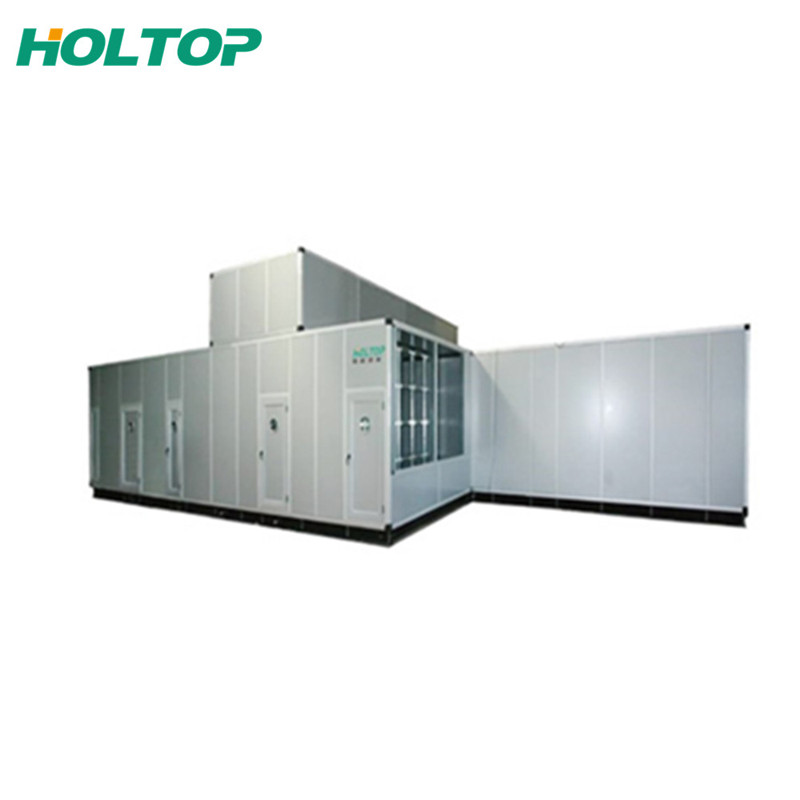
Heat recuperative ventilators (HRVs) are advanced devices designed to exchange stale indoor air with fresh outdoor air while recovering the heat energy from the outgoing air. This process significantly reduces the energy required to heat or cool incoming air, maintaining comfortable indoor temperatures and reducing overall heating, ventilation, and air conditioning (HVAC) costs.
Unlike traditional ventilation systems that often waste heat, HRVs use a heat exchanger core that captures thermal energy from the exhaust air and transfers it to the incoming fresh air. This mechanism is particularly effective in colder climates, where heating costs constitute a major portion of energy consumption. In warmer climates, similar energy savings are realized by pre-cooling incoming air.
**Key Benefits of Heat Recuperative Ventilators**
1. **Energy Efficiency and Cost Savings:** By recovering heat energy, HRVs can reduce HVAC energy consumption by up to 70%, translating into considerable cost savings on utility bills.
2. **Improved Indoor Air Quality:** Continuous ventilation with filtered fresh air dilutes indoor pollutants such as volatile organic compounds (VOCs), allergens, and CO2, creating a healthier living and working environment.
3. **Moisture Control:** HRVs help balance indoor humidity levels by transferring moisture between the incoming and outgoing air streams, reducing issues like mold growth or dry air discomfort.
4. **Environmental Impact:** Lower energy consumption leads to reduced carbon footprints, aligning with global initiatives toward sustainability and energy conservation.
**Industry Growth and Market Trends**
The HRV market has been experiencing robust growth globally as governments enact stricter building codes emphasizing energy efficiency and indoor air quality. Additionally, consumer preferences increasingly favor green technologies, which boost demand for advanced ventilation solutions.
Building certifications such as LEED (Leadership in Energy and Environmental Design) and WELL Building Standard incentivize the use of technologies like HRVs to achieve higher scores, further driving market adoption.
**Company Introduction**
{} is a leading innovator in the HVAC and indoor air quality sector. With decades of expertise, the company specializes in developing state-of-the-art ventilation and air purification systems tailored for diverse applications—from residential homes to large commercial facilities. Committed to sustainability, {} integrates cutting-edge technology with eco-friendly design principles to deliver products that promote healthier environments while reducing energy consumption. Their portfolio includes a comprehensive range of heat recuperative ventilators designed to meet the evolving needs of modern buildings and contribute to global energy-saving efforts.
**Technological Innovations in Heat Recuperative Ventilators**
Manufacturers continually enhance HRV technology by improving heat exchanger efficiency, integrating smart controls, and refining filtration systems. Modern HRVs incorporate features such as:
- **Variable speed fans:** Optimize airflow in response to real-time indoor air quality sensors.
- **Advanced filters:** Capture fine particulate matter (PM2.5), pollen, and other allergens, ensuring cleaner air indoors.
- **Smart home integration:** Allow users to monitor and control ventilation settings remotely via smartphones or building management systems.
- **Compact and modular designs:** Facilitate easy installation and maintenance in various building types.
These innovations not only boost performance but also help lower operational costs and extend product lifespan.
**Applications and Case Studies**
Heat recuperative ventilators are increasingly adopted in:
- **Residential buildings:** Enhancing comfort and health by providing constant fresh air without energy penalties.
- **Office spaces:** Maintaining employee well-being and productivity through better air quality.
- **Healthcare facilities:** Crucial for infection control by ensuring adequate ventilation while managing energy use.
- **Schools and universities:** Supporting learning environments with improved air quality and thermal comfort.
Successful implementations demonstrate substantial reductions in energy bills and improvements in occupant satisfaction. For instance, recent installations in a mid-sized office building resulted in a 40% reduction in heating costs and notable improvements in indoor carbon dioxide levels.
**Challenges and Future Outlook**
Despite the clear benefits, some challenges remain, including upfront installation costs and the need for periodic maintenance to preserve efficiency. However, government incentives and increasing energy prices are making HRVs more accessible and cost-effective over the product lifecycle.
Looking ahead, the integration of renewable energy sources, such as solar power, with HRV systems promises even greater sustainability. Furthermore, advancements in materials science could lead to heat exchangers with near-perfect thermal recovery and reduced physical footprints.
**Conclusion**
Heat recuperative ventilators represent a vital technology in the pursuit of energy-efficient, healthy, and sustainable buildings. With their ability to significantly reduce energy consumption, improve indoor air quality, and contribute to environmental goals, HRVs are poised to become a standard component of modern ventilation design.
Companies like {} are at the forefront of this industry, delivering innovative solutions that meet the growing demand for healthier indoor environments and greener buildings. As awareness and adoption continue to rise, heat recuperative ventilators will play an essential role in shaping the future of indoor comfort and energy management.
---
If you provide your company details, I can customize the company introduction or any other part further.